
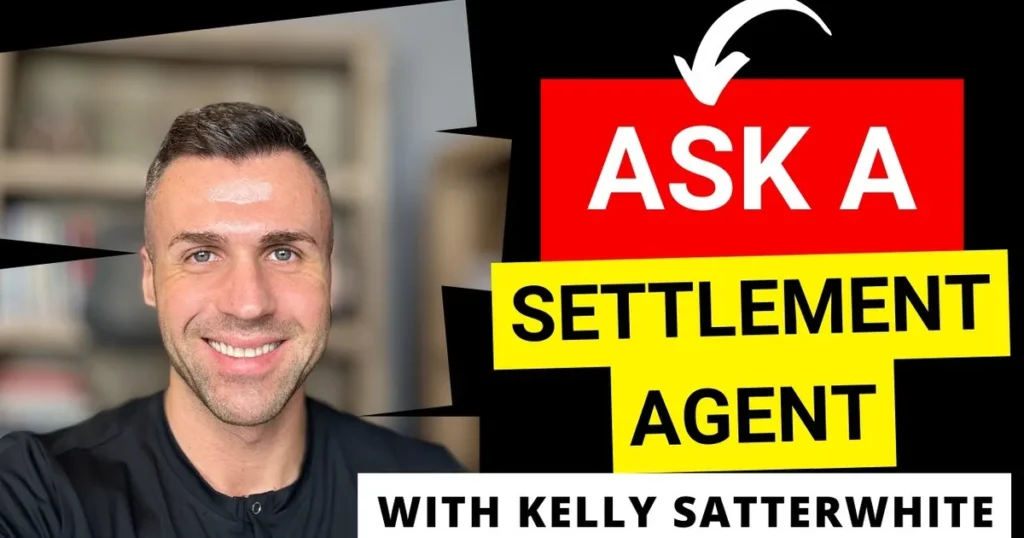

Buying or selling property in Chicago means encountering "title," "escrow," and "closing costs" long before you sign anything. Understanding what a title company actually does with your money and documents is the best way to walk into closing without surprises. This guide explains the real estate title insurance and closing process in plain English, from the title search to fraud prevention, drawing on our own experience representing buyers and sellers across Cook County.
What Does a Title Company Do in the Closing Process?
A title company does not represent the buyer or the seller. As discussed in our conversation with a title attorney on the real estate closing process, the title company represents the contract itself, acting as the hub that coordinates buyers, sellers, agents, lenders, HOAs and payoff companies so every required step actually happens.
In practice, that means the title company runs the title search, prepares settlement documents, schedules the signing (the "settlement conference"), records the deed and mortgage at the courthouse, and disburses funds to everyone who is owed money. Federal law backs up this neutral role: Section 9 of the Real Estate Settlement Procedures Act bars sellers from conditioning a home sale on the buyer’s use of a specific title insurance company, so buyers in Illinois are free to choose their own title company and their own real estate attorney.
Illinois also gives owners a helpful safeguard after closing: it is one of only four states — Arizona, Florida, Illinois and Utah — where every county recording office must offer an opt-in electronic notification whenever a document is filed against your property, which can serve as an early warning of attempted fraud on a home you already own.
Common Title Defects and Fraud Prevention
Most title problems are not dramatic. The most frequent issue a search turns up is an unreleased deed of trust — a prior owner’s mortgage that was paid off but never formally released from the land records — along with judgment liens tied to a common name in the chain of title that have to be individually ruled out. These are administrative headaches an experienced title company can usually resolve before closing.
More serious cases involve a genuine title defect: documents that are forged, or obtained through fraud, duress, incompetency or impersonation, including deed theft, where someone falsely claims ownership by recording a fake deed at the county records office. This risk is growing: real estate fraud losses reported to the FBI jumped from $173 million in 2024 to $275.1 million in 2025, and industry surveys show vacant land accounts for 62% of title fraud cases, compared with just 12% for owner-occupied homes. Even so, the title insurance industry paid out more than $667 million in claims during 2025, a reminder that when fraud does slip through, the policy is there to make it right. That is why reputable title companies verify a seller’s identity through government ID checks and knowledge-based questions before releasing sale proceeds, particularly on vacant or non-owner-occupied properties.
Title Insurance and Surveys: Protecting Your Purchase
Title Insurance: What It Covers and Why Buyers Need It
Title insurance protects real estate buyers against defects in the title, including issues a search may have missed, such as a forged deed. In our recorded conversation, the title attorney shared a real scenario that shows why this matters: a woman’s estate passes to two children, but one has been estranged for decades. The daughter later sells the inherited property, and the long-absent son surfaces demanding his rightful share of a property he never agreed to give up. Because the sister has already spent the proceeds, the new owner — not the seller — becomes the target of that claim. Title insurance exists for exactly this situation.
There are two policy types. A lender’s policy is required whenever there is a mortgage, protecting the lender’s interest if it ever needs to foreclose. An owner’s policy is optional but strongly recommended, protecting the buyer’s own equity against the same kinds of third-party claims. Title insurance is a one-time premium paid at closing, but the coverage lasts for as long as you own the property or the loan remains active.
Why a Property Survey Matters Before You Buy
A survey is a related but separate protection. A survey is a formal measurement of a property’s boundaries and improvements that can uncover encroachments or easement issues, such as a neighbor’s fence built over the property line. This matters because title insurance will not cover anything a survey would have revealed, as explained in our discussion of surveys around the 12-minute mark. Skipping the survey does not remove the risk; it simply removes your protection against it.
We recommend a survey on nearly every purchase, not only detached homes. Even a townhouse with a small backyard can have a boundary problem, such as a shared fence built over an HOA’s common property line decades earlier, an issue that can resurface unexpectedly if the HOA later asks the owner to move it.
Real Estate Title Insurance and Closing Process: What Closing Costs to Expect
Between contract and closing day, your money sits in a neutral, third-party escrow account rather than going directly to the other side, protecting both the buyer’s deposit and the seller’s payout until every required document is signed and recorded.
As a general rule discussed in our conversation on what buyers should expect to pay at closing, buyers should budget about 3% of the purchase price for closing costs — lender fees, transfer taxes, a full year of prepaid property taxes and homeowner’s insurance, and title fees including title insurance. Sellers typically pay around 1% of the purchase price on top of any agreed commissions, mainly transfer taxes, tax prorations and deed preparation.
A trustworthy title company or attorney should give you a fee quote at any point and explain, in plain language, exactly what each charge covers.
Protecting Against Wire Fraud at Closing
Wire transfers move large sums between banks and are usually permanent once sent, which makes them a favorite target for scammers. Only send or receive wire instructions through a secure, encrypted platform, never plain email, and treat any last-minute change to those instructions as a red flag that should be verified in person or by a phone number you already have on file — especially if the property is vacant or non-owner-occupied, since those profiles are the ones most often targeted for title theft.
How Atlas Law Helps Chicago Buyers and Sellers Protect Their Investment
Our real estate practice reviews purchase and sale agreements, handles title review, and represents buyers and sellers at closing throughout Chicago and Cook County. We offer a free consultation and an upfront fee structure, so you know your costs before you commit to anything, and we walk you through every clause in your contract so nothing at the closing table comes as a surprise.
If you are buying your first home, our existing guide on choosing a real estate lawyer in Chicago for home buying walks through the closing checklist in detail. You can also read our companion piece on the real estate closing process from title search through fraud protection for a fuller picture of what happens between contract and keys.
Key Takeaways
- A title company represents the contract, not either party, coordinating the search, documents, signing and disbursement of funds.
- Most title problems are unreleased prior mortgages or common-name liens, but fraud and undisclosed heirs are real risks that title insurance is built to cover.
- Owner’s title insurance is optional but recommended, costs a one-time premium, and covers you for as long as you own the property.
- A survey is not covered by title insurance and can reveal boundary or encroachment problems before they become expensive disputes.
- Budget roughly 3% of the purchase price as a buyer and 1% plus commissions as a seller for closing costs.
FAQ
What is the difference between lender’s and owner’s title insurance?
A lender’s policy is required whenever a buyer takes out a mortgage and protects the lender if it ever needs to foreclose. An owner’s policy is optional, but most buyers choose it because it protects their own equity against the same kinds of third-party claims, such as an undisclosed heir or a forged prior deed.
How much does title insurance cost and how long does it last?
Title insurance is a one-time premium paid at closing rather than an ongoing bill, yet the coverage lasts for as long as you own the property or, for a lender’s policy, for as long as the loan remains active.
Do I really need a survey if I’m buying a condo or townhouse?
Surveys matter less for a condominium unit with no associated ground. For a townhouse or any property with a yard, we still recommend one, because boundary disputes involving fences, decks or shared common areas are not covered by title insurance unless a survey would have caught them beforehand.
What closing costs should I expect as a buyer or seller in Chicago?
Buyers should budget roughly 3% of the sale price for lender fees, transfer taxes, prepaid property taxes and insurance, and title fees. Sellers typically pay around 1% of the purchase price plus any agreed commission, mainly covering transfer taxes, prorations and deed preparation.
Do I need a lawyer at closing in Chicago?
Illinois law does not require a lawyer at every closing, but a real estate attorney reviews the contract, title report and closing documents for issues a title company alone will not flag, and can negotiate on your behalf if something looks wrong. We offer a free consultation to review your contract before you sign anything.